
Top Common Tax Mistakes to Avoid and How to Fix Them
Introduction: Paying taxes can be a complicated process, and even the most diligent taxpayers can make mistakes. Unfortunately, errors on your tax return can result in penalties, delays, audits or even criminal charges. In this article, we will highlight the most common tax mistakes that individuals make, explain how to avoid them and provide solutions if you’ve already made an error on your tax return. Incorrect or Missing Personal Information: Mistake: Forgetting to update your personal details, like your ID number, banking information, or address, can delay refunds or lead to tax issues. How to Fix: Double-check all personal details before submitting your return. If you’ve already submitted, you can correct the information on SARS eFiling. Overlooking Deductions or Tax Credits: Mistake: Failing to claim deductions like medical aid, travel, or retirement contributions can cost you money. How to Fix: Make sure you know which deductions and credits you’re eligible for, and keep detailed records of all qualifying expenses. Not Keeping Proper Documentation: Mistake: Not keeping receipts or supporting documents for deductions can lead to problems if SARS requests proof. How to Fix: Always keep tax-related documents for at least five years. If you’ve lost important documents, try to retrieve them or use SARS-approved estimates. Late Filing and Missing Deadlines: Mistake: Submitting your tax return after the deadline can result in penalties and interest charges. How to Fix: File on time! If you’re late, submit as soon as possible and check if you qualify for penalty relief. Errors in Declaring Income: Mistake: Failing to declare all sources of income, such as freelance work, rental income, or foreign income, can trigger audits and fines. How to Fix: Ensure all income streams are reported. If you’ve left something out, amend your return through SARS eFiling. Not Understanding SARS Questions on a Tax Return: Mistake: Misinterpreting questions on your tax return can lead to errors in the sections that appear or don’t appear. How to Fix: Seek help from a registered tax practitioner if you’re unsure how to answer SARS questions. Filing as the Wrong Taxpayer Type: Mistake: Freelancers or independent contractors may incorrectly file as regular employees, missing out on key deductions. How to Fix: Ensure you file under the correct category. Speak to a tax expert if you’re unsure which taxpayer type applies to you. Conclusion: Avoiding these common mistakes can help ensure a smooth tax season and possibly increase your refund. If you realize you’ve made a mistake on your tax return, don’t panic. Many errors can be corrected by submitting a revised return through SARS eFiling or by consulting a tax professional. If you need assistance with your tax return or have any questions about deductions, credits, or filing deadlines, feel free to reach out to our expert tax team. We’re here to help you make the most of your return!
Should I Submit a Tax Return in 2024? Essential Tips for All South Africans

Should I Submit a Tax Return in 2024? In this article, we look at whether you should submit a tax return. At the end of the article, we will post a form that can assist you in deciding whether you need to submit a tax return. Not everyone should submit a tax return. Here are some guidelines: Who should not submit a tax return: A natural person or a deceased estate is not required to submit a return if their gross income consists solely of one or more of the following: Remuneration (other than retirement lumpsum) not exceeding R500 000 and this is from a single source and where PAYE has already been deducted Interest income from a South African Source (not including Interest from Tax-Free Investment vehicles) and this interest does not exceed: R23 800 for a person younger than 65 years 34 500 for a person who is 65 years or older or 23 800 for a deceased estate Tax-exempt dividends where the individual was a non-resident throughout the year of assessment; Amounts received or accrued from tax-free investments; and A lump sum received from a retirement fund with tax deducted according to a tax directive. Non-residents are required to submit a tax return if: The non-resident carried on a trade (business) in South Africa The non-resident disposed of an asset in respect of which the Eith Schedule applies The non resident’s gross income included interest from a source in the Republic to which provisions of section 10(1)(h) of the income tax Act doe snot apply The above scenarios do not apply where: You are paid or granted certain allowances relating to business travel, accommodation or subsistence You are granted table benefits or advantages derived by reason of employment or the holding of any office You received or accrued any amount in respect of services rendered outside South Africa. Commonly asked questions: What do I need to know concerning the 2024 tax season We have created a guide for you here. Am I supposed to submit a tax return? You need to submit a tax return if you meet specific criteria such as earning above a certain threshold, having multiple sources of income, or wanting to claim tax refunds and rebates. Criteria include: Earning above the tax threshold. Having more than one employer or income source. Earning rental income, capital gains, or foreign income. Wanting to claim deductions for medical expenses, retirement annuities, or other tax credits? Do I need to file a tax return with SARS? If you meet the criteria above. Filing a tax return ensures that you comply with tax laws, potentially receive refunds, and accurately report all sources of income to SARS. Why is it important to submit tax returns? Submitting your tax returns is crucial for several reasons: Compliance with legal obligations. To claim refunds or rebates due to overpaid taxes. Avoiding penalties and interest charges for non-submission. Ensuring accurate records with SARS, which can be beneficial for future financial planning. Ensuring you have a complete record of filing tax returns and avoiding penalties for non-submission of tax returns What happens if you don’t submit a tax return in South Africa? Not submitting a tax return can lead to: Penalties for late submission or non-submission. Interest charges on unpaid taxes. Possible legal action by SARS. Missed opportunities for tax refunds or rebates. How much tax will I pay if I earn R6000? If you earn R6000 per month (R72,000 per year), you are below the tax threshold and typically will not pay income tax. For the 2023/2024 tax year, the tax threshold for individuals below age 65 is R95,750 per annum. What does IRP5 mean? An IRP5 is a tax certificate issued by employers to employees. It details the income earned and taxes deducted during the tax year, which is necessary for filing your tax return. Where do I get my IRP5? Your employer should provide your IRP5. It can also be accessed on your eFiling profile if your employer has uploaded it to SARS. But, it is important to request it from your employer as it forms part of supporting documents for your tax return. When can I submit my SARS tax return in 2024? The 2024 tax season opens on July 15, 2024. Auto assessment will start on 1 July 2024. How to reduce taxes in South Africa? You can reduce your taxes by claiming allowable deductions such as: Medical aid contributions and expenses. Retirement annuity contributions. Donations to registered charities. Home office expenses. Tax-free savings accounts. Ensuring all allowable business expenses are claimed if you are self-employed. Keeping detailed records and documentation to support your claims. You can read more about basic tax deductions here What if I am aggrieved by SARS? Review the Assessment: Carefully examine the assessment details and gather all supporting documentation. Request Reasons (Optional): Seek detailed reasons from SARS within 30 days of receiving the assessment to understand its basis, if unclear. File an Objection: Submit a formal objection, including necessary documents and legal arguments, within 80 business days of the assessment date or the date SARS issues the reasons. Appeal: If dissatisfied with the objection outcome, lodge an appeal within 30 business days of the notice. This may involve Alternative Dispute Resolution proceedings if elected. Still unsure if you need to submit a tax return? Click here to find out if you should file a tax return. How can we assist you? We can help you with: Filing a tax return and tax return preparation Interpretation SARS missed assessments Filing an objection Tax planning and advisory Bookkeeping and accounting Payroll services VAT registration VAT return preparation and submission Tax training and workshops Retirement and estate planning Leave a message/get a quote Subscribe now:
Can SARS see all my bank accounts? Crucial Tips for the Tax Season
Can SARS see all my bank accounts? Stay Out of Trouble with SARS, Know how SARS Bank Account Access It is important to be vigilant and honest on your tax return. SARS has access to your bank accounts through third parties such as banks. SARS may raise additional assessments if they detect undeclared income, which can also attract penalties and fines. Take the time to ensure that your tax return is accurate and complete and that you have documents and records to support your claims. Respond promptly to SARS with any required explanations and documents. Utilize the dispute mechanism if you do not agree with additional or estimated assessments. Request a compromise or repayment plan if you cannot immediately settle your account with SARS. The 2024 tax season opens on the 15th of July 2024. From 1 July, SARS will start issuing auto assessments for non-provisional taxpayers. Here are a few things you need to know: Criminal Offences: The following actions or inactions relating to non-compliance may constitute a criminal offence and may attract criminal charges, penalties, and interest: Failing to register or notify SARS of a change in registered details. Failing or neglecting to register as a tax practitioner. Failing or neglecting to submit a tax return or document to SARS. Failing or neglecting to retain documents/records required by SARS under the Tax Administration Act. Submitting or making a false statement. Issuing an erroneous, incomplete, or false document. Pretending to be a SARS official. Steps to Stay Compliant: To avoid getting into trouble with SARS and the law, take the following steps: Check and ensure that your details (such as addresses, personal details, etc.) are recent and up-to-date on eFiling. If you provide tax services, ensure that you are registered as a tax practitioner and are compliant with the requirements of SARS and your controlling body. If you are a taxpayer, ensure you are using the services of a registered tax practitioner. Submit your tax returns on time. Keep records and documents that support your tax return and always ensure that your tax return is a true reflection of your income and deductions for the tax year under review. Common Questions: Does SARS have access to all my bank accounts? Yes, SARS can access your bank account information through third-party data providers like banks. Do banks report deposits to SARS? Banks are required to report certain deposits to SARS, which helps them verify your declared income. How does SARS verify your bank account? SARS verifies bank accounts by cross-referencing data from your tax return with information provided by banks. Who can see my bank account? Besides you and your bank, SARS can access your bank account details for tax compliance purposes. SARS Knows What’s in Your Bank Account: Some people believe they can hide information from SARS. However, it is in your best interest to declare all income you received during the year of assessment, as it is highly likely that SARS knows more about your finances than your spouse or family members do. In some developed countries, a taxpayer’s tax return is linked to their bank account. This way, the taxpayer is obliged to account for everything that happens in their bank account on their tax return. SARS is developing a similar system. SARS now requires certain taxpayers to explain why the revenue declared on their tax return does not match the deposits in their bank accounts. Unsatisfactory answers have led to additional estimated assessments and, in some cases, heavy penalties being imposed. For example, if a taxpayer declares R1.5 million on their tax return but the deposits in their bank accounts suggest a revenue of R5 million, the taxpayer must explain to SARS why the revenue collector should not raise additional assessments for the “under-declared income.” If you do not respond or do not supply adequate reasons as to why the deposits were not declared, or that they relate to loans and inter-account transfers, or potentially from other non-taxable income, then SARS may raise these assessments. How Does SARS Know What’s on Your Bank Statements? When you submit your tax return, SARS may request you to submit your bank statements as part of the supporting documents. Additionally, SARS has had access to taxpayers’ information from third-party data providers such as banks and other financial institutions since 2012. What Happens if You Do Not Agree with SARS Assessments? The burden of proof lies with the taxpayer. SARS has dispute mechanisms that can be used to challenge these assessments. These procedures often take time and may require supporting documents to support your claims. But SARS may require the taxpayer to reconcile amounts line by line and to explain each line with evidence. For example, why a deposit stands out, why it was made, and why it was not included in the taxpayer’s income. What if SARS is Correct but I Cannot Pay Them? It is important to note that SARS can instruct the taxpayer’s bank to deduct monies from an account and pay it over to SARS. Therefore, it is important for a taxpayer to approach SARS and request a compromise or a repayment plan if they feel they are not in a position to settle the amounts due. Ensure Your Compliance: Stay proactive and ensure your tax affairs are in order. Contact us today for expert guidance and support to ensure you stay compliant and avoid unnecessary penalties and stress. Let us help you navigate SARS requirements with ease. Leave a message/get a quote Subscribe now:
How to get a SARS refund quickly; Essential Preparation Guide for Faster Tax Refunds
How to get a SARS refund quickly? We are reaching out early to ensure you’re fully prepared for the upcoming tax season. Once it opens, you’ll be ready to submit your tax return and potentially receive your refund sooner. Why wait? What do you need to get ready? You will need: Necessary documentation for submission. To address any administrative issues. Information on auto-assessments. Knowledge of basic deductions you can utilize. Documentation: The responsibility for proving entries on a tax return lies with the taxpayer. It’s crucial to compile documents throughout the year as you receive them. If you haven’t started, now’s the time to gather: IRP5s issued by your employer. If not received, request them politely. Medical aid and retirement annuity tax certificates are typically available via provider apps. Profit and loss statements if you run a business or are a sole proprietor. Details of rental income and expenses. Invoices supporting business and rental expenses. Home office expense details and corresponding invoices. Investment certificates for interest, dividends, and capital gains. Section 18A certificates for any donations made. Travel logbook for business travel claims. Details of non-personal use assets sold during the tax year. Any additional documents supporting your tax return. Admin Issues: Ensure your eFiling login details are handy and functional. Verify and update your bank details with SARS to avoid delays in receiving refunds. Auto-Assessments: SARS may issue an auto-assessment using data from third parties like medical aids or retirement funds. If you agree with the assessment, no action is needed. If you disagree, you have 40 working days to file a correction. If you miss the deadline, you can request an extension within 21 additional working days. Basic Deductions You Can Claim: Understand the deductions available to legally reduce your tax liability, such as: Medical aid tax credits. Retirement annuity contributions. Donations. Home office expenses. Tax-free savings. Foreign income exemption. Interest exemption. Travel expenses. Wear and tear. Business expenses. Capital gains exclusion. Frequently Asked Questions: How to get a SARS refund quickly? To get a SARS refund quickly, ensure you submit a complete and accurate tax return as soon as the tax season opens. Gather all necessary documentation beforehand, resolve any administrative issues, and verify that your bank details are up to date with SARS. Not having the correct and updated bank details may unnecessarily delay your refund. How quickly does SARS pay a refund? SARS typically processes refunds within 21 business days after a tax return has been submitted and assessed. However, this can vary depending on the accuracy of your submission and if any additional reviews are needed. Can you get your refund instantly? In some instances, SARS refunds within a few days, even a few hours especially where all is in order and there are no audits or verifications needed. While you cannot get your SARS refund instantly, ensuring that your tax return is accurate, complete, and submitted early can help expedite the process. Make sure all your documentation is in order to avoid delays. How to get a SARS refund quickly? You can speed up your SARS refund by promptly submitting a complete and accurate tax return with all required documentation. Regularly check your SARS eFiling profile for any updates or additional requests for information and respond quickly to any additional requests from SARS. What’s the fastest I can get my tax refund? The fastest way to get your tax refund from SARS is to file your return as early as possible, ensure all details are correct, and have all supporting documents ready. Typically, refunds are processed within 21 business days, but early and accurate submissions can help avoid delays. We encourage you to submit your tax return as soon as the tax season opens and to do so accurately and completely. Additionally, do not delay sending supporting documents to SARS as may be required. Why was my tax refund reversed by SARS? I do not understand why the refund that was due to me disappeared from my Sars statement. The refund was reversed for the following most likely reasons: – There is a special stopper on your account; – You have two valid bank accounts reflecting on your registered details and/or – You do not have valid bank details registered with SARS – Also, check if they issued a “verification completed with changes letter” How we may help: We are eager to assist you with your tax affairs, including tax return submission, interpreting assessments, and objections to issued assessments. Feel free to reach out for any help or information. Leave a message/get a quote Subscribe now:
Dormant company SARS Tax Penalties: Why Shutting Down Your Dormant Company Can Save You From Costly Penalties
Dormant company SARS Tax Penalties: Why Shutting Down Your Dormant Company Can Save You From Costly Penalties In our extensive experience as accountants and business advisors, we frequently encounter individuals who have registered businesses for various reasons. In this article, we will delve into these common motivations and explain why shutting down your dormant company can save you from costly penalties. Common Motivations for Business Registration: Formalizing a Side Gig: Many people register businesses to legitimize a side hustle before realizing it may not be sustainable or they lack the time to run the venture effectively. Meeting Regulatory Requirements: Some individuals are requested by friends to serve as directors for a company primarily to fulfil regulatory obligations, often related to BBBEE (Broad-Based Black Economic Empowerment). Shifting to Sole Proprietorship: There are instances where individuals initially registered a company but later decided to continue trading as sole proprietors. Overseas Relocation: People who registered a company but subsequently relocated abroad for employment often leave their company unattended. Regardless of the initial reason for registration, many of these businesses eventually become an administrative burden for their founders, partners, or directors. These administrative challenges encompass: Compliance with CIPC: Ensuring adherence to regulations set by the Companies and Intellectual Property Commission and the Companies Act. Filing CIPC Annual Returns: Meeting the requirement to submit annual returns to maintain company compliance status. Filing SARS Tax Returns: Addressing the critical issue of filing tax returns with the South African Revenue Service (SARS). The Risks of a Dormant Company The company you registered but might have forgotten about can pose a substantial tax risk. Here’s why: Tax Obligation: Registered companies have a legal obligation to file annual tax returns with SARS to provide updates on their financial and trading status. Accumulated Unsubmitted Returns: If you’ve lost track of your registered company, you may have a backlog of unsubmitted tax returns. For instance, if your company was registered five years ago, you could potentially have five years’ worth of outstanding tax returns. This applies to all applicable tax types, including VAT and PAYE. Ignored Notifications: You might have received notifications and reminders from SARS but overlooked or failed to understand their significance. Penalties: SARS imposes administrative penalties for non-submission of tax returns, even if the business is not actively trading. These penalties can vary but often start at R250 per month, with a maximum penalty of R16,000 per month. Consequently, for five years of non-submission, you could face a minimum penalty of R15,000. It is important to note that the trigger for these penalties is not trading status, but non-submission of tax returns. Steps to Mitigate Penalties So, what should you do if you find yourself in this situation: Submit Outstanding Tax Returns: Initiate the process by submitting all outstanding tax returns. File Returns Regardless of Income: File tax returns for all relevant years, irrespective of whether your business generated income or expenses. As mentioned earlier, penalties are triggered by non-submission, not income levels. Understand Responsibilities: Avoid registering as a director or tax representative for friends or family without fully comprehending your duties toward the company and tax authorities. Check Company Compliance: Utilize the Companies and Intellectual Property Commission (CIPC) to obtain a ‘spider report’ for each company you are a director of and verify their tax compliance. Consider Resignation: If you’ve already registered as a director or tax representative, explore the possibility of resigning from those positions. Engage with SARS: Communicate with SARS to discuss penalty remittance, repayment plans, or reduced penalties. Deregister Inactive Companies: If your intent is not to maintain the company’s active status, consider deregistering it with CIPC and SARS. Conclusion: Remember, SARS appreciates law-abiding citizens. It’s best to be proactive and honest in addressing any oversight or compliance issues. Approach SARS with transparency and a willingness to rectify the situation by submitting overdue tax returns and seeking resolution for penalties. Feel free to reach out if you require assistance or have further questions. Leave a message Subscribe now:
What should you know about Auto Assessment?
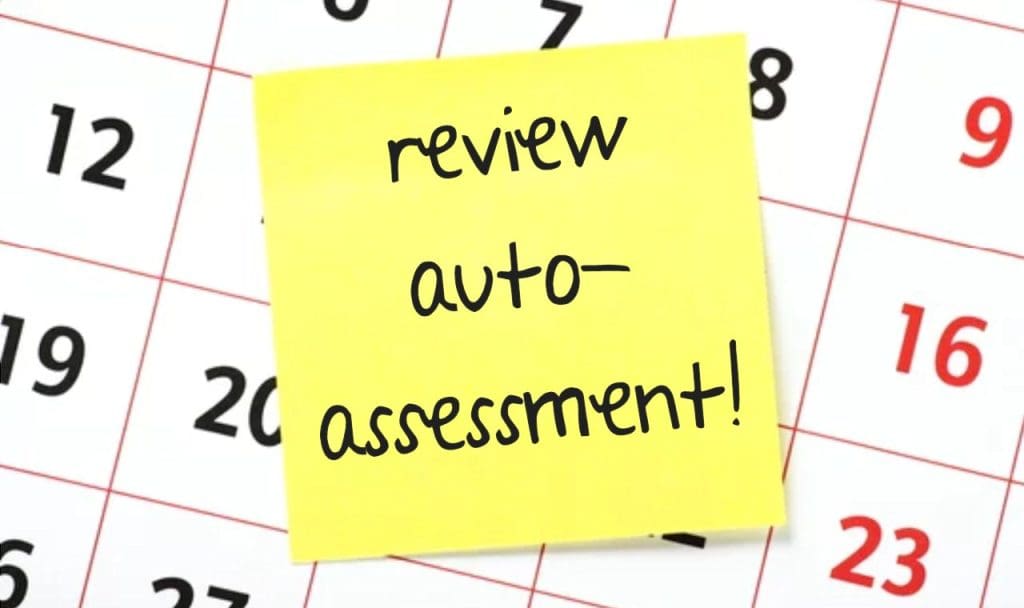
What should you know about Auto Assessment? What is an auto-assessment? An auto-assessment is an automatic assessment issued on taxpayers by SARS. This basically means that SARS has collected taxpayer information from their parties (such as medical aid or retirement annuities) and then use this information to file your return and issue an assessment on this return automatically without your involvement. How will you know if you are auto-assessed? You should receive an email or SMS from SARS informing you that you have been selected for auto-assessment. The process started in July 2022. But, this is not the first time SARS has issued an auto-assessment. They also issued these in the 2021 tax year. What should I do if I receive an auto-assessment? SARS says if you agree with the aut0-assessment, you do not have to do anything. However, should you be in disagreement, you have just 40 working days from the date of assessment to file a correction (edited tax return.) What happens if you miss the 40 days? If you do not do anything, SARS assumes you are in agreement with the auto-assessment. The assessment becomes your final assessment at the expiration of the 40 business days. Can I request an extension? If you feel the 40 working days are too little, you can request an extension on eFiling before the 40 days have expired. SARS will require “reasonable” grounds for the request. if you miss the deadline, you will have an additional 21 working days to submit a request for an extension on the same terms. If both 21 and 40 days have passed and you still were not able to submit a correction, you will need to provide “exceptional circumstances” to justify a delayed request for extension. NOW TO THE BIG QUESTION, SHOULD I ACCEPT THE AUTO-ASSESSMENT? We think this is a risky move if (and SARS may not pick up these things on an auto-assessment:) 1. You have qualifying donations you would like to claim 2. You have qualifying out-of-pocket medical aid expenses 3. Your medical aid is being paid for by someone who is not the principal member (normally the person paying for the medical aid would be the one to claim the medical tax credits.) 4. You have capital gains on assets that you sold that fall outside the scope of an auto assessment 5. You are a crypto or share trader 6. You have a side business or rental income (profit or loss) 7. You have and qualify for a home office expense claim (deductions) 8. You would like to claim your business travel kilometres 9. SARS missed one or some of your retirement annuity funds Contact us: Was this helpful? Would you like us to do your tax return? Get in touch with us: Leave a message/ get a quote Subscribe now:
What if there is no response from SARS?
What if there is no response from SARS? KEY TAKEAWAY POINTS: SARS has 21 business days to complete a verification They may finalise it with or without changes If they take more than 21 business days, you have a right to lodge a complaint If nothing happens, you may take the matter up with the office of the tax ombud Remember to keep a proper track record of the matter and/or any follow-ups you make on the matter In this article, we discuss what verification is, what to do when you are selected for verification and if SARS does not bother to get back to you on time. INTRODUCTION: SARS has capacity issues that they are working hard to resolve, But, it seems this 2021 tax season they took more than what they can handle. We have observed many taxpayers who have been selected for verification but who have not heard back from SARS many days after the verification was initiated. Under normal circumstances, SARS has up to 21 working days to finalise a verification and issue a finalisation letter and/or final or adjusted assessment. In one case we have looked at, for example, the taxpayer who was selected for verification on 29 July 2021 has not heard back from SARS even at the time of writing this article. We are certain, she is not alone in this. Let’s look at some important definitions before we can consider what one must do if SARS takes their time on the verifications. What is verification? Being selected for an audit and verification are two different processes. With a verification, SARS is doing a face value verification of the information declared by the taxpayer on the declaration or in a return. This involves the comparison of the information on the return against the financial and accounting records and/or other supporting documents. All this is to ensure that the declaration/return is a fair and accurate representation of the taxpayer’s tax position. (Remember, in terms of the Tax Administration Act, the onus is on the taxpayer to provide supporting documentation to prove that the deductions and information on their declaration are reasonable, fair and accurate.) Who can be selected for verification? Any taxpayers can be selected for a verification process for the proper administration of tax. The selection can also be done on a risk basis. What should you do if you are selected for verification? What should you do if I am selected for verification? SARS will notify the taxpayer if they have selected them for verification. The letter issued will state what the taxpayer must do or provide to SARS. The letter will also notify the taxpayer to check their tax return and to make any corrections if there are any discrepancies on their tax return. The taxpayer will be given 21 business days from the date of the letter in which to provide the supporting documents and schedules. These documents and schedules can be submitted via eFiling or SARS support documents portals. During the verification, you can expect to get another letter requesting additional information if the relevant material initially supplied was not sufficient to finalize the verification. If you are due for a refund, you may not get this until the verification process is finalised. What happens if you do not respond to the verification? It is always important to keep an eye out for SARS correspondences on your email or eFiling. Normally SARS sends you a message and email when they have issued important notices. If you choose not to respond SARS may: Issue a second letter reminding you to submit relevant information Issue a final request for relevant information If you still do not respond, a SARS official will contact you telephonically and request that you submit the necessary relevant material within 5 business days. Should you still not respond, SARS may raise an assessment based on information readily available or obtain from a third party. Now let’s consider what your options are if SARS ghosts you. What if you have complied/responded but SARS takes all the time in the world on the verification? There is the office of the tax ombud that can help with operational issues. But, it does not get involved before you have exhausted all internal SARS complaints mechanisms. You can only go directly to the office of the tax ombud only if there are compelling reasons to do so. So, the first step to take is to complain to the SARS complaints office. To do so, you must be sure that the matter is now outside the normal service period, as in the example we have earlier about the taxpayer who was selected for verification on 20 July and has not yet back from SARS ever since. There are three ways through which one can complain about SARS: Via eFiling. See the step-by-step guide on how to complain about eFiling. Please note that you have to be registered on eFiling to be able to do this. You may not download or print the form to send it by any other means. You must also have a valid case number to which your complaint relates. By visiting the branch. If you do, you may need to ensure that you have spoken to all relevant higher people before you leave the branch. Due to COVID, you may need to make an online appointment. By calling the SARS Complaints Management Office (CMO) on 0860 12 12 16. Do not call the call normal call centre and say you are following up on an unresolved matter, the call centre agents may “escalate” your case and normally that achieves very little. If your complaint is not resolved after 21 working days, you may take the matter to the office of the tax ombud. Here are a few tips on winning the battle against SARS poor service/administrative issues and making sure you have a winnable case when you approach them or the Tax Ombud: Be
Tax season deductions: Basic deductions you can use to save on tax (how to get a tax refund)
Tax season deductions – what you should know The tax season is offically coming to an end for non-provisional taxpayers in the next few days. But, even if you are planning for the next tax season, this article is for you as it will consider a few options/deductions that you can use to reduce your tax liability. Let’s consider these: Medical aid credits: Taxpayers can claim deductions (or tax credits) for medical aid schemes they contribute to. This can be applied where you contribute as a principal member or where you are not a principal member but pay for and on behalf of someone like a close family member. The credits depend on the number of beneficiaries of the medical aid. The more the beneficiaries the more the credits one can get. For the taxpayer or the first beneficiary, the tax credit is R332 for the 2022 tax year (R319 – 2021), R664 for the taxpayer and one dependant (2022 or 638 for the 2021 tax year and R224 for any additional beneficiary (215 for the 2021 tax year.) Retirement annuity: If you make contributions towards a pension, provident fund or retirement annuity, you can also claim deductions on taxable income. Taxpayers are allowed to deduct up to, from their taxable income, 27.5% of their remuneration of taxable income, whichever is greater, up to a maximum of R350 000 per tax year if they contributed to a retirement annuity fund, pension or provident fund. Therefore, it is important that the taxpayer examines and calculate their annual contribution in order to fully take advantage of this tax benefit. However, there is no tax benefit once you withdraw from this fund (we will talk about withdrawals in another publication.) Donations: The taxpayer can also claim donations against his/her taxable income. There is a catch though. The deduction is limited to 10% of the taxpayer’s taxable income before claiming donations as a deduction (so, if the taxable income is R300 000, the claim cannot be more than R30 000.) The charitable organisation the taxpayer gives a donation to must also furnish the taxpayer with a Section 18A certificate, not just a receipt. Home office expenses. We have previously written about home expenses here. So, if you need a more detailed guide, please refer to that article. However, let’s cover a few things here too. Certain expenses that a taxpayer incur as a result of working from home can be claimed as a deduction against taxable income provided certain conditions are met: The employer must allow the taxpayer to work from home. So, you can’t just work from home because you want to. Your employer must give you express permission to work from home. The taxpayer must spend more than half (50%) of their total working hours working from their home office. The part of the home in respect of which a claim is submitted must be occupied for purposes of a “trade”, as defined in section 1. So, in essence, there should be a specific part of the home that is used exclusively for this purpose. As an example, a specific set aside office must be kept aside for the trade. A taxpayer meeting with a client in the bar area of their home may not qualify for these deductions. Building from the point above, the part that is so occupied must be specifically equipped for purposes of the trade. So, it is important that the space/office must be specially fitted with the relevant instruments, tools and equipment required for the taxpayer to perform their work. The part must be regularly and exclusively used for purposes of the trade. As an example, taxpayers who earn a commission but who spend the majority of their time on the road visiting clients and performing their work at the client’s premises do not qualify for home office expense deduction. Refer to our previous article on home office expenses for further details and examples of expenses that a taxpayer can get as a deduction for working from home. Tax-free investments: These accounts are offered by various financial institutions. The tax benefit is that any income (interest, dividends, REIT payments and capital gains) accrued or received from these funds are exempt from tax. For example, interest income earned is fully exempt from tax as opposed to interest earned elsewhere, which can be exempt only up to certain amounts as per the Act. Though the income is exempt, this must still be included on the taxpayer’s tax return. Contributions to these funds should not exceed R33 000 annually and a lifetime agreement of R500 000. Any contribution above these amounts triggers a tax on the income earned. Foreign income: Ever heard f the 183 days rule? Individuals working overseas for a 183-day term could claim back tax deductions on income earned for the period there were outside the Republic. After 1 March 2020, the exemption is the first R1.25 million of foreign employment income earned by a resident will qualify for an exemption for tax years commencing on or after 1 March 2020. Travel claim: If you use your vehicle for work purposes and you are able to prove to SARS that you used your vehicle for work purposes, then you can claim a deduction on it. The catch, keep a travel logbook. Do not “manufacture one!” Wear and tear: The world is changing and often employees will use their own tools and equipment to carry out their work. If you are using goods/tools that you bought with your money for work purposes you are entitled to claim depreciation on these tools/assets. These can be computers or laptops. The catch, the cost of the assets must be written off over a time stipulated by SARS and you must be able to prove that the asset/tool was used for work purposes. For example, computers are written off over a period of 3 years. Assets that cost less than R7000 can be written off in full in the
Effective Steps to Successfully Close a Business in South Africa (Guide)

Effective Steps to Successfully Close a Business in South Africa Who should be reading this article? Anyone whose business is no longer trading and wishes to wind it down Anyone who wants to liquidate their business Anyone who has lost interest in their registered business and now wishes to discontinue it KEY TAKE AWAY POINTS: Pay all outstanding creditors Collect from all debtors if any Cancel all contracts (ensuring that all the conditions and terms of doing so are understood and taken care of) Inform all employees and customers of the intention to close down the business Sell your business assets (including the cars) and stock (if any) or write off any assets or inventory no longer – S0, basically liquidate the business The last step would be to distribute any cash or assets that remain in the business Deregistering at the CIPC Deregistering with SARS (all tax numbers) Why may you consider closing a business? There are many reasons for this. But, you may consider closing off your business because of any of the following reasons (not limited to this list:) The business was negatively affected by COVID and there is no possibility of the business doing well again in the future The business has become unprofitable and it no longer makes sense to continue operating Your focus or passion has changed and you would like to focus on something else The project for which the business was designed has ended and will not be resuming again in the future The most profitable clients of the business have left and you do not see the business attracting any new clients Changes in technology that drive your product or business out of the market You no longer have the cash flow or working capital to keep the business going If you are considering closing down your business, the following steps and considerations are important: 1. Have an exit strategy: Truly speaking, this should happen before there is a need to close down a business. This is because we will all exit from our business one way or the other. Some of the exit reasons are what we have already highlighted above. But, it could also be due to health reasons, death, new investors, a merger or sale of the business or part of the business. Whatever the reason, every business should have an exit and succession plan in place. Your goal here is to formulate a plan of how you will close down the business or exit from the business. Without a plan, things usually go wrong and you may be caught unaware along the way. 2. Notify your employees: After your customers, your employees are an important asset to the business. Besides, they have families to feed and lives to live. Leaving it until late may place an unnecessary mental burden on them and leave them with little time to look for alternative employment. As an alternative, use your relationships to find then alternative employment. But, the important point here is to keep the employees in the loop, not in the dark, about what is going on. Also, decide on who will handle the communications with the employees. It is also important to decide and communicate their terminal benefits and how these will be paid. 3. Notify your clients It is important to notify your clients in time so that they have time to look for alternative suppliers. Also, you may need to collect anything that they still owe you. It is important that you decide how you will collect and how they will be notified. 4. Collect your outstanding debts Plan your business closure around your existing collection policies and avoid giving new credit lines to existing or new clients. You also want to collect any outstanding debts before you close the business because it may become difficult to get payments once you have already closed off the business. Some businesses’ financial policies do not allow payments to individuals. Avoid announcing that you want to close off your business before you collect outstanding debts because some clients may just stall on payments hoping it will all go away. You can offer settlement discounts to encourage customers to settle their accounts. An alternative is selling these accounts to a collecting agency. 5. Notify your creditors and pay outstanding debts Inform your creditors of your decision to close and ensure you have a plan to handle the outstanding debts. SARS may be one of those creditors. Ensure that you have filed all your returns and that every return is paid for. If you are unable to pay them, there are processes you can follow to ask for a compromise or a repayment plan (Click here to read more about compromises and repayment plans here.) There may be specific laws on how you may pay your creditors. Ensure you are familiar with these and follow them in settling your creditors. If you are not sure, enlist the services of a lawyer. 6. Sell your business and operating assets If you can, package some of the cash-generating units that are still functional and profitable and sell these to interested parties. If this is not possible, you may want to sell the assets in the business including all the inventory, vehicles and other operating assets you may still have if there is a market available for them. 7. Deregister the business Once you are satisfied that all processes are complete, it is now time to deregister your business with the CIPC. This is to inform the CIPC that your business is no longer in existence. After this is done, inform SARS that you have deregistered the business. Also, apply to have all tax types (numbers) deregistered. This is to clear you of future tax compliance burden since your business is no longer in existence. Frequently asked questions: How do I shut down a business in South Africa? Start by submitting all outstanding SARS tax returns Obtain a tax
How to hold SARS accountable
How to hold SARS accountable The office of the Tax Ombud was established to act as a bridging gap between SARS and the taxpayer. But, taxpayers do not always have a direct line to connect with the Tax Ombud. A taxpayer may lodge a complaint with the Tax Ombud after they have exhausted all the SARS complaints mechanisms, unless there are compelling circumstances for not doing so. There are three ways through which one can lodge a complaint with SARS: Via eFiling. See the step-by-step guide on how to lodge a complaint via eFiling. Please note that you have to be registered on eFiling to be able to do this. You may not download or print the form to send it by any other means. By visiting the branch. If you do, you may need to ensure that you have spoken to all relevant higher people before you leave the branch By calling the SARS Complaints Management office (CMO) on 0860 12 12 16. Here are a few tips on winning the battle against SARS poor service/administrative issues and making sure you have a winnable case when you approach them or the Tax Ombud: Be specific: If you have a complaint, it is better to call the Complaints Management Office (CMO.) If you call SARS contact centre to get a reference number, specify that it is a complaint with a complaint, specify that it is a complaint and not a follow-up. If you keep calling the call centre and saying you are following up, it may remain just that, a follow-up. You need to specify that you have a complaint so that it is treated as one. Some complaints will need case numbers, make sure you call the contact centre to get one. Try again: Sometimes, a complaint lodged on eFiling may be rejected for one reason or the other. If you feel you have a compelling case, pick up the phone and call the CMO so that they may record and lodge the complaints on your behalf. You may also call them if you are not sure how the process works on eFiling or if you are too far from a SARS office. For example, I once lodged a complaint about a delayed refund (because refunds should be paid 7 workings days after verification or audit is finalised) but the system kicked me out and rejected my complaint. The complaint was successfully lodged after calling the CMO. Build a compelling case: The most important thing to do when dealing with SARS is to build a good case, this is whether you are raising a complaint, an appeal or an objection. You will need a system to record your interactions with SARS (at each touchpoint with them). You also need to store documents and supporting documents relevant to the taxpayer’s case. The system of recording your interactions with SARS should allow you to build a timeline of how the case is developed and to ensure that you have all the documents you need for this case. One such system is to make sure each client file/folder contains relevant subfolders that will help you gather the important and necessary information. The other is to build a dashboard that records the timeline and communications with SARS. This can take any form, for example, Word or Google docs, a task management tool like Asana, Trello or Monday.com. NB: You do not do this because something has gone wrong, but because things may go wrong and often they do go wrong. The advantage of doing things this way is that you will save yourself a lot of time when doing the actual complaint, even an appeal or objection. The Tax Ombud form will ask you to summary your case in chronological order. So, if you had been building a case over time, this process will be a breeze. You have all the facts and timeline at your fingertips. Are you frustrated with the way SARS has handled your affairs? How can we help you? Leave a message Subscribe now: